Trailer

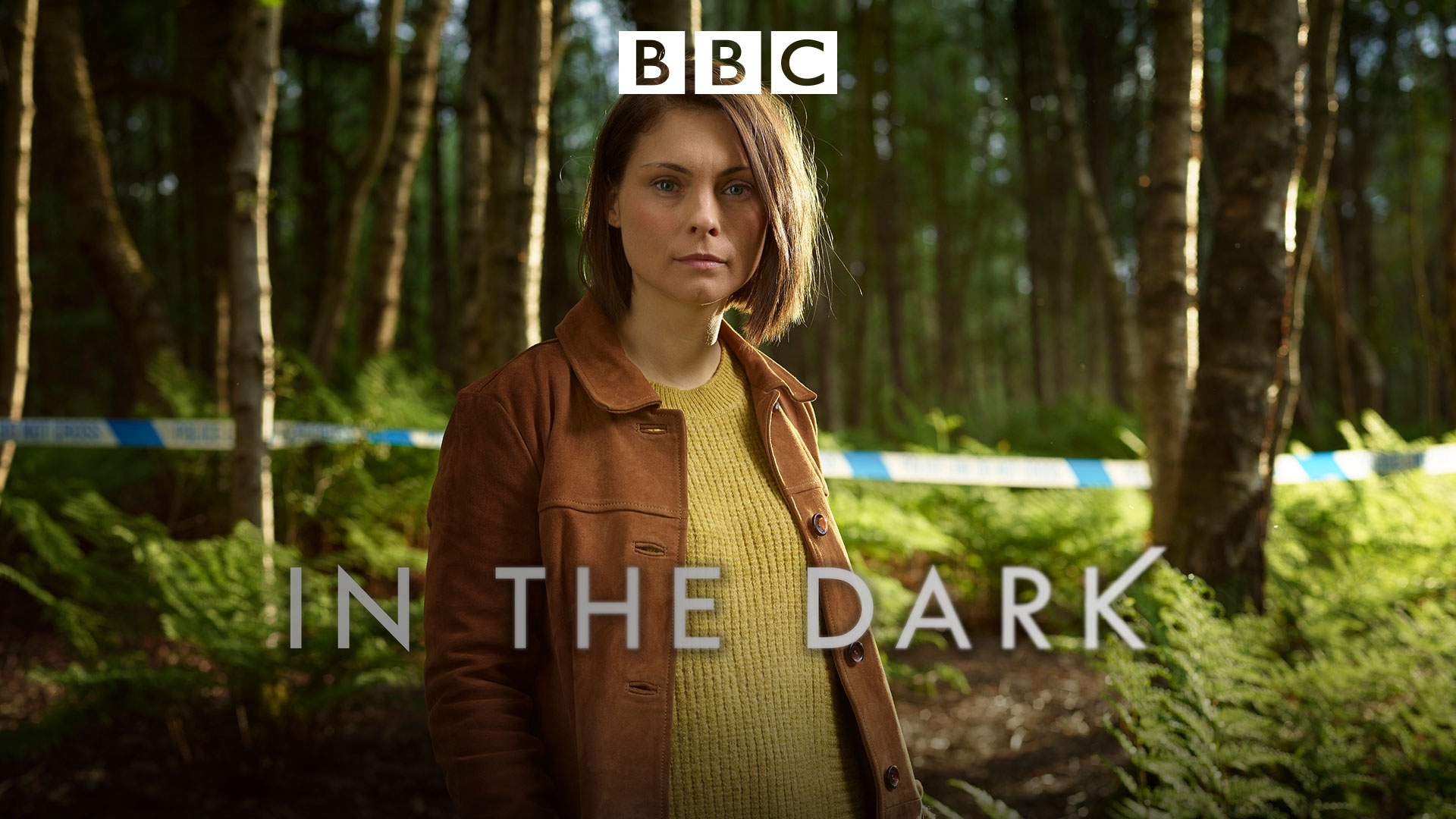
In The Dark

  • 6.8/10
  • Crime
  • 2017
  • 45m
  • PG

Discover In The Dark (2017), a gripping psychological crime thriller filled with suspense, mystery, and emotional depth. Follow a dark and intense narrative where truth and illusion blur as secrets unravel, revealing a haunting journey of trauma, morality, and hidden truths. A must-watch for fans of psychological drama and investigative thrillers.

Download: 480p 720p 1080p 4k
Login to Add to Favorites

Seasons

Genres

Crime

No comments yet

Be the first to share your thoughts about this TV show!

0.0
Overall Rating
Based on 0 reviews
10
0
9
0
8
0
7
0
6
0
5
0
4
0
3
0
2
0
1
0

No reviews yet

Be the first to share your thoughts about this TV show!

In The Dark (2017) is a gripping, atmospheric, and emotionally charged crime-thriller drama that explores the complexities of perception, truth, trauma, and moral ambiguity through a dark and suspense-driven narrative structure. The story unfolds around a central protagonist whose life becomes entangled in a disturbing sequence of events that blur the line between reality and illusion, forcing both the character and the audience to constantly question what is real, what is imagined, and what is deliberately concealed. Built on a foundation of psychological tension and investigative storytelling, In The Dark (2017) delivers a layered cinematic experience that combines elements of mystery, suspense, emotional drama, and psychological exploration. The film/series (depending on interpretation and distribution version) positions itself within the broader crime thriller genre, yet distinguishes itself through its heavy focus on human psychology, emotional vulnerability, and the consequences of unresolved past trauma. From the very beginning, the narrative immerses viewers in a shadowy world where secrets are buried deep beneath surface-level interactions, and every character appears to be hiding something significant that could alter the trajectory of the unfolding mystery. The tone is consistently tense, supported by moody cinematography, atmospheric lighting, and a sound design that heightens suspense while reinforcing the emotional weight of each scene. As a result, In The Dark (2017) becomes more than just a crime story—it transforms into a psychological journey through fear, memory, guilt, and survival.


At its core, In The Dark (2017) revolves around themes of perception versus reality, making it a compelling entry in modern psychological thriller storytelling. The narrative structure often plays with nonlinear storytelling techniques, fragmented memories, and unreliable interpretations of events, encouraging the audience to actively piece together the truth alongside the protagonist. This technique enhances engagement while reinforcing the core thematic idea that truth is rarely absolute and is often shaped by personal experience, emotional bias, and external manipulation. As the story progresses, the protagonist becomes increasingly isolated, both physically and emotionally, as they attempt to uncover the truth behind a disturbing incident or series of connected mysteries. The investigation often leads into darker corners of society, exposing corruption, hidden relationships, and morally compromised individuals who each contribute to the overarching mystery. The writing emphasizes psychological depth over straightforward action, focusing instead on character development, internal conflict, and the slow unraveling of suppressed memories or hidden truths. Each episode or narrative segment builds tension gradually, ensuring that viewers remain engaged through suspenseful pacing and carefully constructed revelations. The emotional intensity is further amplified through character-driven storytelling, where personal loss, grief, fear, and betrayal play central roles in shaping motivations and decisions. This makes In The Dark (2017) not only a thriller but also a deeply human story about coping with uncertainty and confronting inner demons.

Another defining aspect of In The Dark (2017) is its strong emphasis on atmosphere and tone, which plays a crucial role in shaping the viewer’s experience. The visual style typically leans toward dark, muted color palettes, shadow-heavy environments, and minimalistic lighting, all of which contribute to a constant sense of unease and psychological pressure. Urban landscapes, isolated interiors, and confined spaces are frequently used to symbolize the protagonist’s mental state, reinforcing feelings of entrapment and confusion. The direction carefully balances moments of silence with sudden bursts of tension, creating a rhythm that keeps audiences on edge throughout the narrative. Sound design and musical scoring are also essential components, often using subtle ambient noise, low-frequency tones, and minimalist compositions to enhance suspense without overwhelming the storytelling. This meticulous attention to audiovisual detail ensures that the audience remains fully immersed in the world of the story, experiencing the same uncertainty and emotional strain as the characters themselves. In addition, the performances of the cast contribute significantly to the overall impact of the production, with actors delivering nuanced portrayals that emphasize vulnerability, paranoia, determination, and emotional breakdown. The interplay between characters often reveals hidden motivations and shifting loyalties, adding further complexity to the narrative structure and ensuring that no interaction feels meaningless or superficial.

From a thematic standpoint, In The Dark (2017) explores deeply rooted issues such as trauma, justice, morality, and the psychological consequences of violence and secrecy. The narrative frequently challenges traditional notions of right and wrong, instead presenting a morally grey universe where characters are driven by survival, fear, and emotional scars from their past. This moral ambiguity is one of the strongest elements of the story, as it forces viewers to constantly reassess their judgments about each character’s actions and intentions. The protagonist’s journey often reflects a broader commentary on human resilience and the struggle to maintain identity in the face of overwhelming psychological pressure. As hidden truths are gradually revealed, the story builds toward moments of revelation that reshape the entire narrative context, forcing both the protagonist and the audience to reinterpret earlier events under a new light. This structure creates a powerful sense of unpredictability and emotional payoff, as each discovery carries significant weight in understanding the full scope of the mystery. The writing also integrates social commentary, subtly addressing issues such as institutional corruption, systemic failure, and the fragility of trust within communities. These elements elevate In The Dark (2017) beyond a simple thriller, positioning it as a reflective piece on human behavior and societal dysfunction.

Ultimately, In The Dark (2017) stands out as a compelling psychological crime thriller that successfully merges emotional storytelling with suspense-driven narrative mechanics. Its strength lies in its ability to maintain tension while developing deeply human characters who are shaped by fear, memory, and moral uncertainty. The story’s layered structure ensures that viewers remain engaged from beginning to end, constantly analyzing clues and questioning assumptions as the mystery unfolds. With its strong atmospheric direction, emotionally complex characters, and thought-provoking themes, In The Dark (2017) delivers a memorable viewing experience that resonates beyond its immediate narrative. It appeals to audiences who appreciate slow-burn thrillers, psychological depth, and intricate storytelling that rewards attention to detail. The combination of mystery, emotional drama, and psychological exploration makes it a standout entry in the genre, leaving a lasting impression through its exploration of truth, perception, and the darkness that exists both in the world and within the human mind.