Trailer

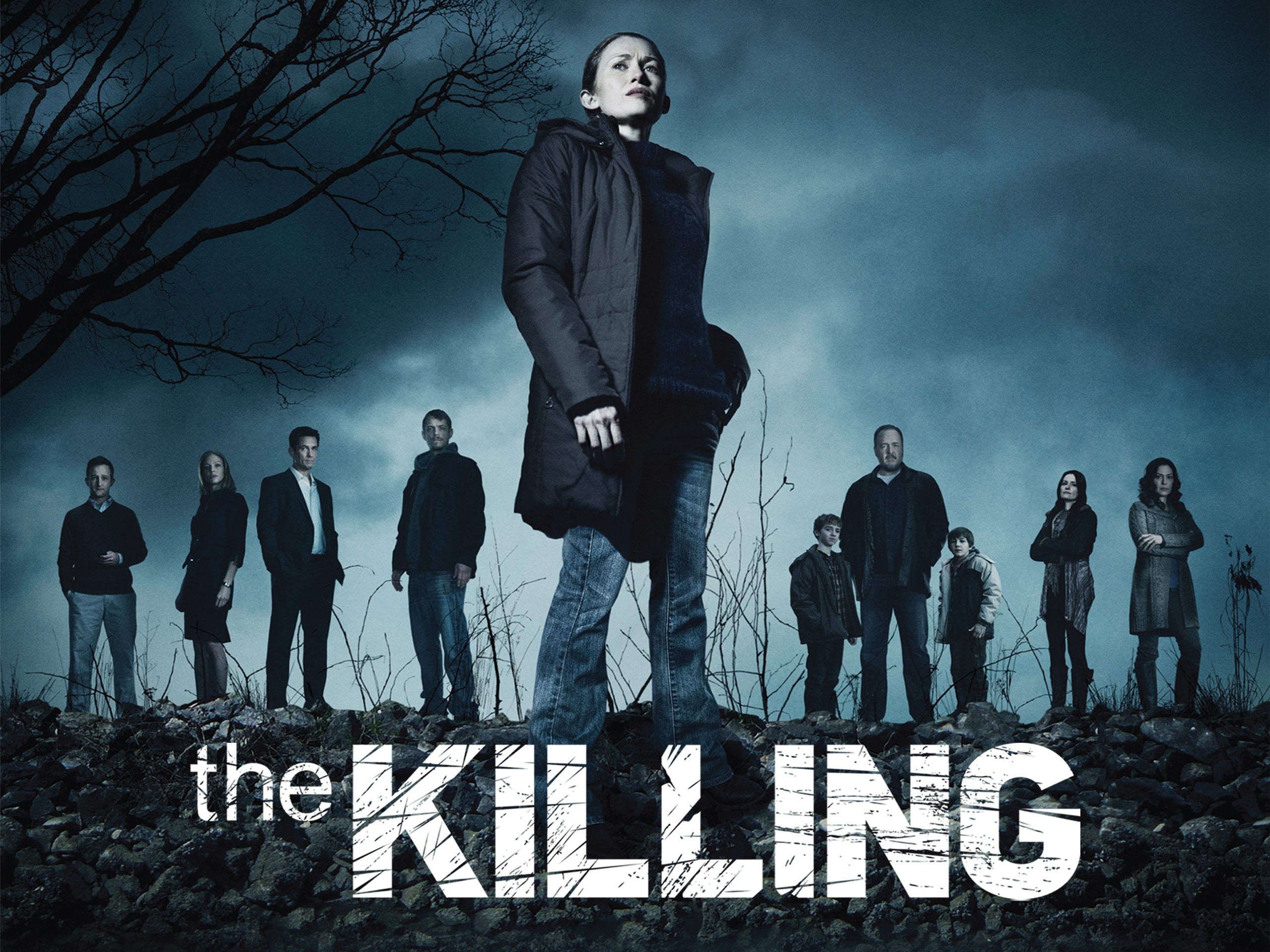
The Killing

  • 8.3/10
  • Drama
  • 2011
  • 55m
  • R

The Killing (2011) is a gripping crime drama TV series set in rainy Seattle that follows detectives Sarah Linden and Stephen Holder as they investigate complex murder cases filled with political intrigue, emotional family drama, shocking twists, and dark secrets. Known for its slow-burn storytelling, intense performances, and atmospheric noir style, the series explores justice, grief, corruption, and the psychological impact of violent crime.

Download: 480p 720p 1080p 4k
Login to Add to Favorites

Seasons

Genres

Drama

No comments yet

Be the first to share your thoughts about this TV show!

0.0
Overall Rating
Based on 0 reviews
10
0
9
0
8
0
7
0
6
0
5
0
4
0
3
0
2
0
1
0

No reviews yet

Be the first to share your thoughts about this TV show!

The critically acclaimed crime drama series The Killing (2011) stands as one of the most atmospheric and psychologically compelling television thrillers of the modern era, redefining the landscape of serialized crime storytelling through its slow-burn narrative, complex characters, and deeply immersive depiction of a single murder investigation that ripples through an entire community. Set in the perpetually rain-soaked city of Seattle, the series follows dedicated homicide detective Sarah Linden, portrayed by Mireille Enos, and her reluctant partner Stephen Holder, played by Joel Kinnaman, as they investigate the brutal murder of a teenage girl named Rosie Larsen. What makes The Killing unique among crime dramas is its commitment to realism and emotional depth: instead of resolving a case within a single episode, the show devotes entire seasons to unraveling the mystery, allowing viewers to experience every twist, suspicion, revelation, and emotional consequence alongside the characters. The investigation into Rosie Larsen’s death becomes far more than a procedural police case; it evolves into a layered narrative exploring grief, corruption, political ambition, secrets hidden within families, and the moral ambiguities of justice. As detectives Linden and Holder dig deeper into the case, they uncover a tangled web connecting Rosie’s personal life, powerful political campaigns, and shadowy elements within Seattle’s social and governmental systems. Simultaneously, the story intimately portrays the devastating impact of the tragedy on Rosie’s family—particularly her parents, Stan Larsen and Mitch Larsen—whose emotional journey becomes one of the most powerful aspects of the series. Their grief, anger, and desperate search for meaning humanize the crime in ways rarely seen in traditional detective shows. Meanwhile, the murder investigation begins to intersect with the mayoral campaign of city councilman Darren Richmond, portrayed by Billy Campbell, creating a suspenseful political dimension that raises questions about power, influence, and public perception. Throughout the first season, viewers are drawn into a maze of suspects and secrets, from classmates and teachers to politicians and criminal figures, each new discovery complicating the narrative and heightening suspense. The show’s signature visual style—muted colors, constant rain, dim lighting, and haunting cinematography—mirrors the emotional heaviness of the story and reinforces its noir-inspired tone, making Seattle itself feel like a character within the drama. By carefully pacing its storytelling and focusing on character psychology, The Killing transforms a single murder investigation into a gripping exploration of human vulnerability, institutional corruption, and the relentless pursuit of truth, establishing itself as one of the most influential crime drama television series of the 2010s.


As the narrative of The Killing progresses through its seasons, the series expands far beyond the initial Rosie Larsen investigation, evolving into a broader examination of justice, trauma, and the moral complexities faced by those who investigate violent crimes. Detective Sarah Linden, whose obsessive dedication to solving cases often comes at the cost of her personal life and mental well-being, becomes the emotional anchor of the show. Her character embodies the archetype of the troubled detective yet adds layers of nuance rarely seen in television crime dramas. Linden’s struggle to balance motherhood with her relentless pursuit of truth reflects the human cost of working in law enforcement, particularly in homicide investigations where closure can remain elusive for years. Her partnership with Stephen Holder gradually evolves from skepticism and conflict into one of television’s most compelling detective duos, characterized by mutual respect, loyalty, and emotional support forged through shared trauma. Holder’s street-smart instincts and rough exterior contrast Linden’s analytical approach, yet together they create a balanced investigative dynamic that drives the narrative forward. Over multiple seasons, the detectives encounter new cases involving military conspiracies, systemic corruption, and brutal crimes that expose the darkest corners of society. Each storyline maintains the series’ signature style of slow-burn tension and intricate plotting, ensuring that every clue, witness statement, and discovery contributes to a carefully constructed puzzle. The show also explores the psychological toll of violence on both investigators and victims’ families, presenting a realistic portrayal of grief and moral ambiguity rather than sensationalizing crime. In this way, The Killing differentiates itself from many mainstream procedural dramas by focusing not only on solving the mystery but also on examining the emotional aftermath of tragedy. The narrative’s emphasis on atmosphere and character development allows viewers to form deep connections with the people affected by the crimes, making every revelation feel personal and impactful. Critics frequently praised the series for its cinematic storytelling, strong performances, and ability to sustain suspense over long narrative arcs. The performances of Mireille Enos and Joel Kinnaman, in particular, received widespread acclaim for bringing authenticity and vulnerability to their roles, transforming Linden and Holder into some of the most memorable detectives in modern television history. By blending crime investigation with social commentary and psychological depth, The Killing became a landmark series in the genre, influencing later crime dramas that adopted similar serialized storytelling structures and atmospheric aesthetics.

Another defining strength of The Killing lies in its exploration of interconnected narratives that reveal how a single violent act can ripple outward through an entire community, affecting individuals from vastly different social and political backgrounds. The series masterfully intertwines three major perspectives: the detectives investigating the crime, the grieving family seeking justice, and the political figures whose ambitions and reputations become entangled in the investigation. This multi-layered storytelling structure adds richness and complexity to the narrative, ensuring that viewers experience the case from emotional, investigative, and societal angles simultaneously. For the Larsen family, Rosie’s murder becomes a devastating turning point that fractures relationships, tests faith, and forces each family member to confront their own coping mechanisms. Mitch Larsen’s profound grief manifests as emotional withdrawal and spiritual searching, while Stan Larsen’s pain drives him toward anger and dangerous alliances in his desperate quest for justice. Their storylines provide a deeply human perspective that reminds audiences that behind every crime statistic lies a family struggling to rebuild their lives. Meanwhile, the political subplot involving Darren Richmond highlights the fragile nature of public trust and the ways in which criminal investigations can influence elections, media narratives, and political power. As Richmond’s mayoral campaign becomes increasingly intertwined with the murder investigation, questions arise about whether justice can remain impartial when political stakes are involved. This aspect of the show introduces themes of media manipulation, public perception, and the ethical dilemmas faced by those in positions of authority. Throughout its run, The Killing continuously challenges viewers to question their assumptions about guilt and innocence. Characters who initially appear trustworthy may hide dark secrets, while those suspected of wrongdoing may ultimately prove innocent. This narrative approach keeps audiences engaged while emphasizing the complexity of real-world investigations, where truth is rarely straightforward. The show’s pacing, often described as deliberate and contemplative, allows each development to resonate emotionally, encouraging viewers to analyze every detail and theory alongside the detectives. By maintaining a consistent atmosphere of suspense and uncertainty, The Killing successfully sustains tension across multiple seasons, making each episode feel like a crucial piece of an evolving puzzle. The result is a crime drama that prioritizes storytelling depth over quick resolutions, rewarding patient viewers with a richly layered narrative that explores the moral gray areas of justice, loyalty, and human behavior.

Ultimately, The Killing (2011) stands as a landmark achievement in television storytelling, blending the intensity of a murder mystery with the emotional resonance of a character-driven drama. Its legacy lies not only in its gripping plotlines but also in its willingness to explore the psychological and social consequences of violence in a nuanced and thoughtful manner. By immersing audiences in the painstaking process of criminal investigation, the series offers a realistic portrayal of detective work that contrasts sharply with the fast-paced, formulaic structures of many procedural shows. The rain-drenched streets of Seattle, the haunting musical score, and the subdued color palette combine to create an unforgettable visual identity that reinforces the show’s somber themes. At its core, The Killing is a story about persistence—the relentless pursuit of truth even when the answers are painful, complicated, or politically inconvenient. Detective Sarah Linden embodies this theme through her unwavering commitment to solving cases and delivering justice for victims who can no longer speak for themselves. Her journey, alongside Stephen Holder, illustrates the emotional sacrifices required to confront society’s darkest realities. Over time, their partnership becomes a symbol of resilience and trust in a world filled with deception and uncertainty. The series’ willingness to tackle difficult topics such as grief, addiction, corruption, and systemic injustice gives it a level of depth rarely achieved in television crime dramas. By focusing equally on victims, investigators, and communities affected by crime, the show paints a holistic picture of the ripple effects that violence can create. This storytelling approach not only captivates audiences but also encourages reflection on broader societal issues surrounding justice and accountability. Even years after its original broadcast, The Killing continues to attract new viewers and remains a favorite among fans of intelligent, character-driven crime thrillers. Its influence can be seen in numerous modern streaming dramas that adopt similar serialized mysteries and atmospheric storytelling techniques. For anyone seeking a suspenseful yet emotionally powerful television experience, The Killing (2011) offers an unforgettable journey into the complexities of crime, truth, and the human condition, securing its place among the greatest crime drama series ever produced.