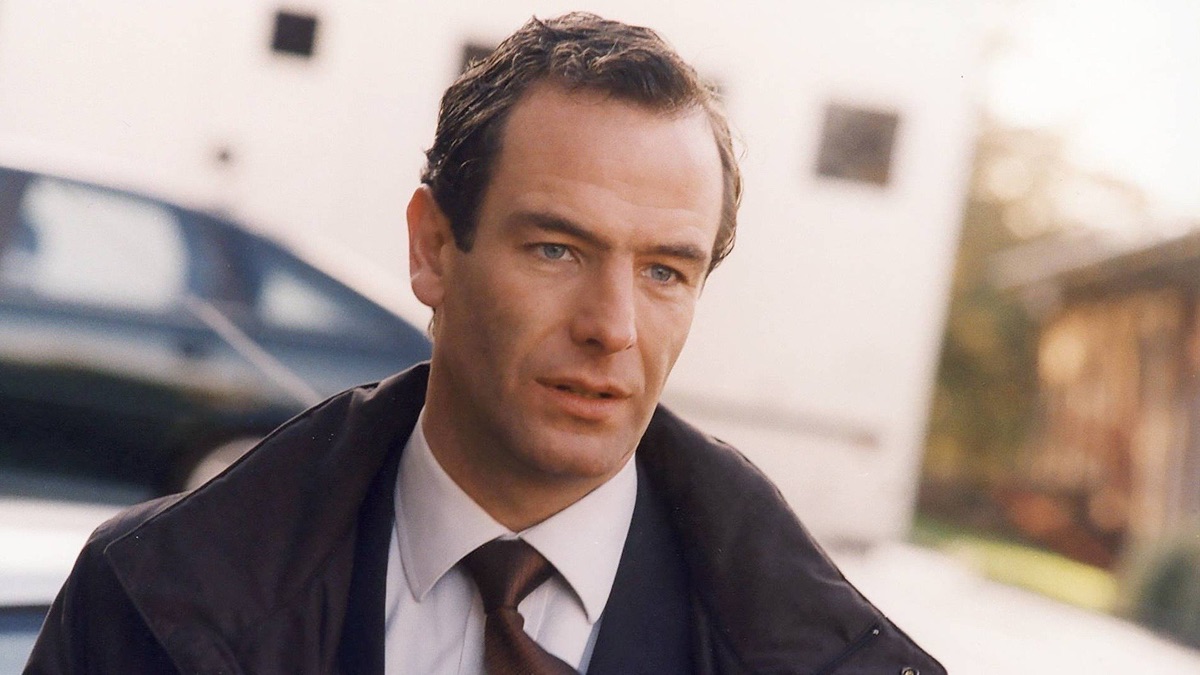
Trailer

Wire in the Blood

  • 8.2/10
  • Drama
  • 2002
  • 50m
  • R

Wire in the Blood (2002) is an intense British psychological crime thriller series centered around brilliant profiler Dr. Tony Hill and tenacious detective DI Carol Jordan as they unravel chilling violent crimes by penetrating the criminal mind. With deep character development, rich psychological insight, atmospheric storytelling, and gripping mysteries that explore motive, justice, and human behavior, this drama captivates crime fans and binge‑watchers alike.

Download: 480p 720p 1080p 4k
Login to Add to Favorites

Seasons

Genres

Drama

No comments yet

Be the first to share your thoughts about this TV show!

0.0
Overall Rating
Based on 0 reviews
10
0
9
0
8
0
7
0
6
0
5
0
4
0
3
0
2
0
1
0

No reviews yet

Be the first to share your thoughts about this TV show!

Wire in the Blood (2002) is a gripping British psychological crime drama that intertwines intense emotional depth, forensic profiling, and chilling suspense to explore the darkest aspects of human behavior and criminal psychology. At its core is clinical psychologist Dr. Tony Hill, a brilliant but troubled profiler whose unconventional methods and empathic insight into the criminal mind make him both indispensable and alienated in equal measure. Working alongside Detective Inspector Carol Jordan, Tony uncovers patterns and motivations hidden beneath the surface of the most baffling and disturbing violent crimes. Their complex partnership forms the heart of the series, capturing audiences with a blend of intellectual deduction and emotional vulnerability.


The series pushes beyond standard crime procedural tropes by delving deep into the psychological and emotional landscapes of both victims and perpetrators. Unlike many crime dramas that focus primarily on forensic evidence or police procedure, Wire in the Blood emphasizes understanding why criminals commit acts of violence, not just how they do it. This exploration of motive enriches the overall narrative and challenges viewers mentally and morally. The show takes audiences inside Tony’s mind as he reconstructs crime scenes and attempts to “think like the killer,” using empathy as a tool for insight. This psychological depth makes Wire in the Blood stand out as a smart, character‑driven thriller with emotional stakes as high as the mystery itself.

One of the defining features of Wire in the Blood is the dynamic between Dr. Tony Hill and DI Carol Jordan. This partnership blends professional tension with mutual respect, forming a compelling emotional core that evolves throughout the series. Carol is a determined detective whose steady leadership anchors the investigations, while Tony’s brilliance is tempered by personal struggles that make him both vulnerable and unpredictable. Their contrasting personalities create ongoing dramatic tension that keeps audiences emotionally invested. This psychological complexity draws viewers into each case, making every episode more than a mystery — it becomes an opportunity to explore the human psyche itself.

Set against the atmospheric backdrop of northern England, Wire in the Blood uses both setting and narrative tone to elevate its storytelling. The brooding landscapes, stark urban spaces, and dimly lit interiors contribute to a feeling of unease and heighten the suspense. The visual style supports the storytelling, reinforcing the psychological intensity of each case. It’s not just the crimes themselves that captivate viewers — it’s the environment in which they unfold, mirroring the internal conflicts faced by the characters.

The series’ plots revolve around complex, often terrifying crimes ranging from serial offenses to mind‑bending puzzles that test both logic and emotional intelligence. Each case challenges the investigative team in different ways, demanding that they push past conventional reasoning to uncover hidden truths. This emphasis on intellectual engagement makes Wire in the Blood particularly appealing to crime drama fans who enjoy thoughtful storytelling and character development. The show’s structure balances episodic mysteries with overarching storylines that deepen the emotional resonance over time, giving long‑term viewers a strong reason to stay engaged.

What makes Wire in the Blood especially powerful is its willingness to examine uncomfortable truths about humanity. The series doesn’t shy away from the emotional fallout of violence, and it portrays the toll that such investigations take on both professionals and the families affected by crime. Through Tony’s psychological evaluations and Carol’s law enforcement perspective, audiences are invited to consider questions about justice, empathy, and what it means to confront evil. This philosophical layer adds richness and meaning to the series, elevating it above typical genre fare.

Wire in the Blood also explores the ethical boundaries of profiling. Tony’s methods are sometimes controversial, raising questions about the role of psychology in law enforcement and the thin line between understanding a criminal mind and becoming consumed by it. Viewers are drawn into these ethical dilemmas, making them active participants in the narrative rather than passive observers. This engagement is a cornerstone of the show’s success, encouraging audiences to think critically about the nature of criminal investigation and the human condition.

The emotional journeys of the central characters are as compelling as the mysteries they solve. Tony’s personal struggles with isolation, relationships, and inner conflict give him a deeply human quality that contrasts sharply with his extraordinary intellectual gifts. Carol’s unwavering dedication to justice and her resilience in the face of traumatic cases make her a strong and relatable figure. Their evolving relationship offers moments of tension, connection, and reflection, adding depth to the episodic storylines.

Throughout its run, Wire in the Blood has earned critical praise for its intelligent storytelling and nuanced performances. The series embraces psychological authenticity while maintaining dramatic momentum, appealing to audiences who value depth and realism in crime narratives. It offers a blend of suspense, emotional insight, and intellectual challenge, making it a standout in the psychological thriller genre. By continually emphasizing character complexity over formulaic crime tropes, Wire in the Blood deepens the emotional impact of each twist and revelation.

In addition to its compelling characters and thoughtful plotting, the series uses its musical score and cinematography to enhance mood and tension. Subtle sound design and evocative visuals work in tandem to immerse viewers in each scene, whether highlighting Tony’s introspective moments or ramping up suspense during high‑stakes confrontations. These artistic choices contribute to a fully realized world that feels richly textured and emotionally resonant.

Wire in the Blood excels at balancing its most cerebral elements with gripping suspense. While the psychological insights are intellectually satisfying, the show also delivers intense dramatic moments that keep viewers on edge. Whether it’s a sudden revelation, a breakthrough in the investigation, or a tense interaction between characters, the series maintains momentum through smart pacing and careful narrative construction. This approach ensures that audiences remain invested from the first episode to the last.

The show’s exploration of justice echoes beyond the screen, prompting viewers to reflect on real‑world issues such as the nature of evil, the complexities of human behavior, and the challenges faced by those who work to protect society from harm. In doing so, Wire in the Blood transcends the traditional boundaries of crime drama, offering substance alongside suspense. Its psychological emphasis invites deeper appreciation from viewers who seek more than surface‑level thrills.

In conclusion, Wire in the Blood (2002) is a masterful psychological crime drama that combines character‑driven storytelling, intellectual depth, and atmospheric tension. Its focus on understanding the motivations behind violent behavior sets it apart from typical procedurals, drawing audiences into a richly textured narrative where the human mind is both a puzzle and a mirror. The dynamic partnership between Dr. Tony Hill and DI Carol Jordan, together with the series’ philosophical explorations of justice and empathy, creates an unforgettable viewing experience that resonates long after the credits roll. For fans of psychological thrillers, intelligent mysteries, and character‑rich storytelling, Wire in the Blood stands as a powerful, emotionally engaging series that continues to draw admiration for its depth, drama, and enduring impact.