Trailer

आहट AKA Aahat

  • 7.2/10
  • Horror
  • 1995
  • 30m
  • PG

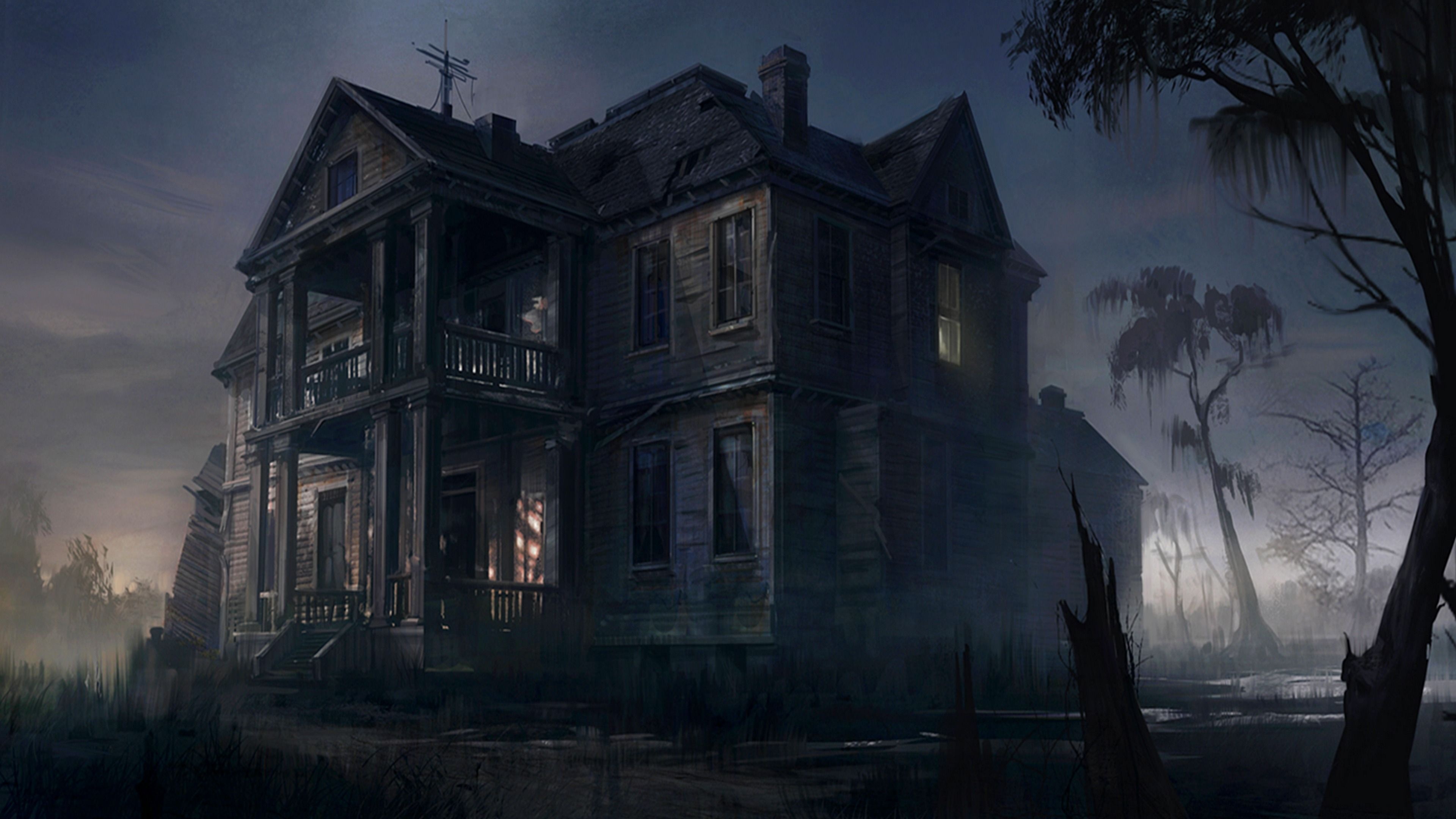
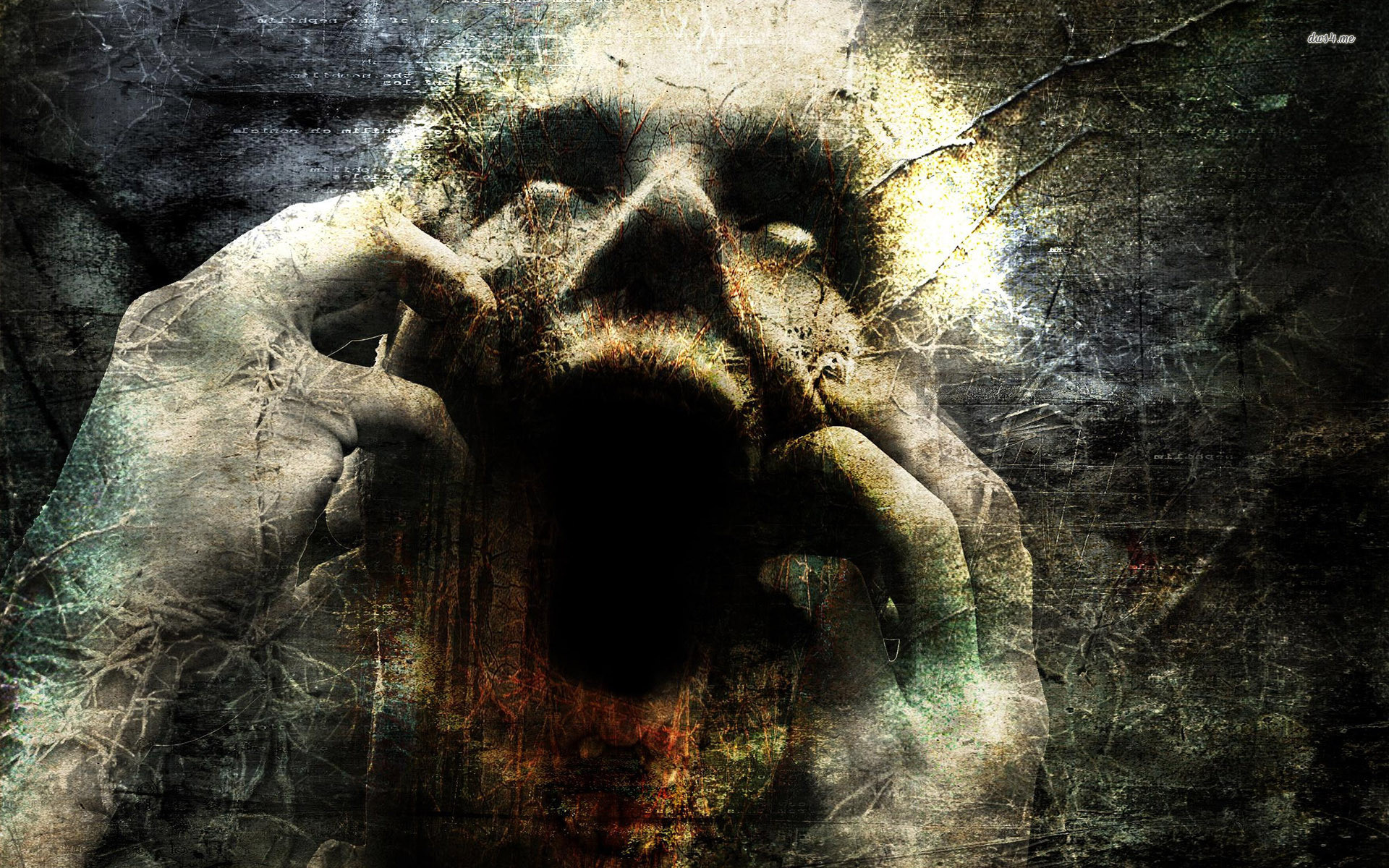
A legendary Indian horror television series that revolutionized supernatural storytelling with chilling tales of ghosts, curses, haunted houses, dark secrets, and psychological suspense. Known for its eerie atmosphere, shocking twists, and unforgettable paranormal mysteries, the show explores terrifying encounters between ordinary people and supernatural forces. With gripping storytelling, haunting music, and deeply emotional narratives.

Download: 480p 720p 1080p 4k
Login to Add to Favorites

Seasons

Genres

Horror

No comments yet

Be the first to share your thoughts about this TV show!

0.0
Overall Rating
Based on 0 reviews
10
0
9
0
8
0
7
0
6
0
5
0
4
0
3
0
2
0
1
0

No reviews yet

Be the first to share your thoughts about this TV show!

Aahat (1995) is one of the most iconic and influential horror television series in the history of Indian entertainment, remembered for redefining supernatural storytelling on television and introducing audiences to chilling narratives that blended psychological suspense, paranormal phenomena, folklore, and dark mystery. First aired on Sony TV in 1995, the show quickly became a cultural phenomenon, captivating viewers with its haunting stories, eerie atmospheres, and unpredictable twists. The series explored a wide spectrum of horror themes ranging from ghosts, cursed houses, supernatural revenge, black magic, haunted objects, mysterious disappearances, reincarnation, and unexplained paranormal events. Unlike conventional horror that relies solely on jump scares, Aahat built its reputation on deeply immersive storytelling and atmospheric tension, allowing viewers to slowly descend into worlds where reality and the supernatural collided. Each episode or short storyline presented a new mystery, often beginning with an ordinary setting—such as a quiet family home, a lonely village, a deserted mansion, or an unsuspecting urban neighborhood—before gradually revealing sinister secrets lurking beneath the surface. Through clever writing, haunting background music, and memorable performances, the show created an unsettling environment that left audiences constantly questioning whether the horrors unfolding were caused by supernatural forces or by the darker side of human nature. The narrative structure often revolved around characters encountering strange events that defied logical explanation, leading them to confront terrifying truths about curses, restless spirits, or the consequences of past sins returning to haunt the present. In many stories, the victims were everyday individuals who unknowingly became entangled in supernatural webs, making the horror feel relatable and disturbingly realistic. This ability to blend ordinary life with extraordinary terror made Aahat stand out as a groundbreaking horror series that appealed to both thrill-seekers and mystery lovers.


As the show progressed, Aahat developed a reputation for delivering emotionally intense stories where fear was not only derived from ghosts or supernatural entities but also from human greed, betrayal, guilt, and revenge. Many episodes cleverly revealed that the real horror sometimes originated from human actions rather than paranormal forces, adding psychological depth to the storytelling. For instance, a storyline might initially present a haunting spirit terrorizing a household, only to reveal that the haunting was connected to a long-buried crime, unresolved injustice, or a tragic betrayal from the past. This narrative technique allowed Aahat to explore moral consequences, reminding viewers that evil deeds often return in terrifying ways. The show frequently portrayed restless souls seeking justice, cursed artifacts unleashing deadly consequences, mysterious shadows following unsuspecting victims, and ancient rituals awakening dangerous forces. Some stories drew inspiration from Indian folklore and cultural beliefs, incorporating elements like vengeful spirits, shape-shifting entities, black magic rituals, and haunted temples. These themes resonated strongly with audiences familiar with regional legends and supernatural traditions, giving the show a uniquely Indian horror identity while maintaining universal appeal. The cinematography and sound design played crucial roles in amplifying the suspense, with dimly lit corridors, creaking doors, flickering lights, and sudden silence often foreshadowing terrifying revelations. The show’s eerie background score became synonymous with late-night fear for many viewers, making even simple scenes feel ominous and tense. Over time, Aahat introduced numerous memorable episodes featuring cursed dolls, haunted mirrors, possessed individuals, mysterious strangers, and abandoned places hiding dark secrets. These storylines ensured that every episode delivered a fresh experience, keeping audiences constantly engaged and eager to discover what terrifying mystery awaited next.

Another significant factor behind Aahat’s enduring popularity was its ability to combine horror with emotional storytelling and unexpected plot twists. While the show certainly aimed to frighten viewers, it also explored deeper themes such as love, revenge, justice, redemption, and the consequences of hidden truths. Many episodes revealed tragic backstories where ghosts or supernatural entities were once innocent individuals wronged in life, returning from beyond the grave to seek closure or revenge. This emotional complexity gave the horror a human dimension, encouraging audiences to empathize with characters even while being terrified by them. In certain storylines, skeptical protagonists—often doctors, investigators, journalists, or family members—attempted to rationalize strange occurrences through science or logic, only to gradually realize that some mysteries could not be explained by conventional reasoning. This conflict between rational thought and supernatural belief created intense dramatic tension and added intellectual intrigue to the horror narratives. Additionally, the anthology-style format allowed the show to experiment with different types of horror storytelling, ranging from psychological thrillers and ghost stories to suspense-driven mysteries involving murder, deception, and paranormal manipulation. The unpredictable nature of each episode meant that viewers never knew whether they were about to witness a ghostly revenge tale, a cursed object unleashing chaos, or a psychological nightmare revealing the darker side of human minds. Over the years, the series featured a wide range of talented actors portraying victims, investigators, supernatural beings, and morally complex characters, further enriching the storytelling experience. The realistic performances combined with eerie settings made many episodes unforgettable, leaving lasting impressions on viewers who grew up watching the show.

Beyond its gripping stories and haunting atmosphere, Aahat holds a special place in television history for pioneering the horror genre in Indian TV programming and influencing countless supernatural shows that followed. At a time when most television content focused on family dramas or romantic narratives, Aahat boldly introduced a darker form of storytelling that pushed creative boundaries and proved that horror could thrive on television. The show’s success demonstrated that audiences were eager for thrilling, suspenseful narratives that explored the unknown and challenged their perceptions of reality. Its legacy can still be seen in modern horror series that attempt to capture the same chilling intensity and suspenseful storytelling that made Aahat a household name. For many viewers, the show became a nostalgic symbol of late-night television, where families gathered around their screens to experience moments of fear, suspense, and fascination together. The eerie theme music, sudden plot twists, and haunting visuals became deeply ingrained in popular culture, making Aahat one of the most memorable horror series ever produced in India. Even decades after its original premiere, the show continues to be discussed by horror enthusiasts and television historians as a landmark production that changed the landscape of Indian supernatural entertainment. Its combination of psychological depth, cultural folklore, suspenseful narratives, and chilling visuals created a timeless horror experience that continues to captivate new generations of viewers. Ultimately, Aahat is not just a television show but a cultural milestone that demonstrated the power of storytelling to explore fear, mystery, and the supernatural in ways that remain unforgettable long after the screen fades to black.