Trailer

Bates Motel

  • 8.1/10
  • Horror
  • 2013
  • 45m
  • PG-13

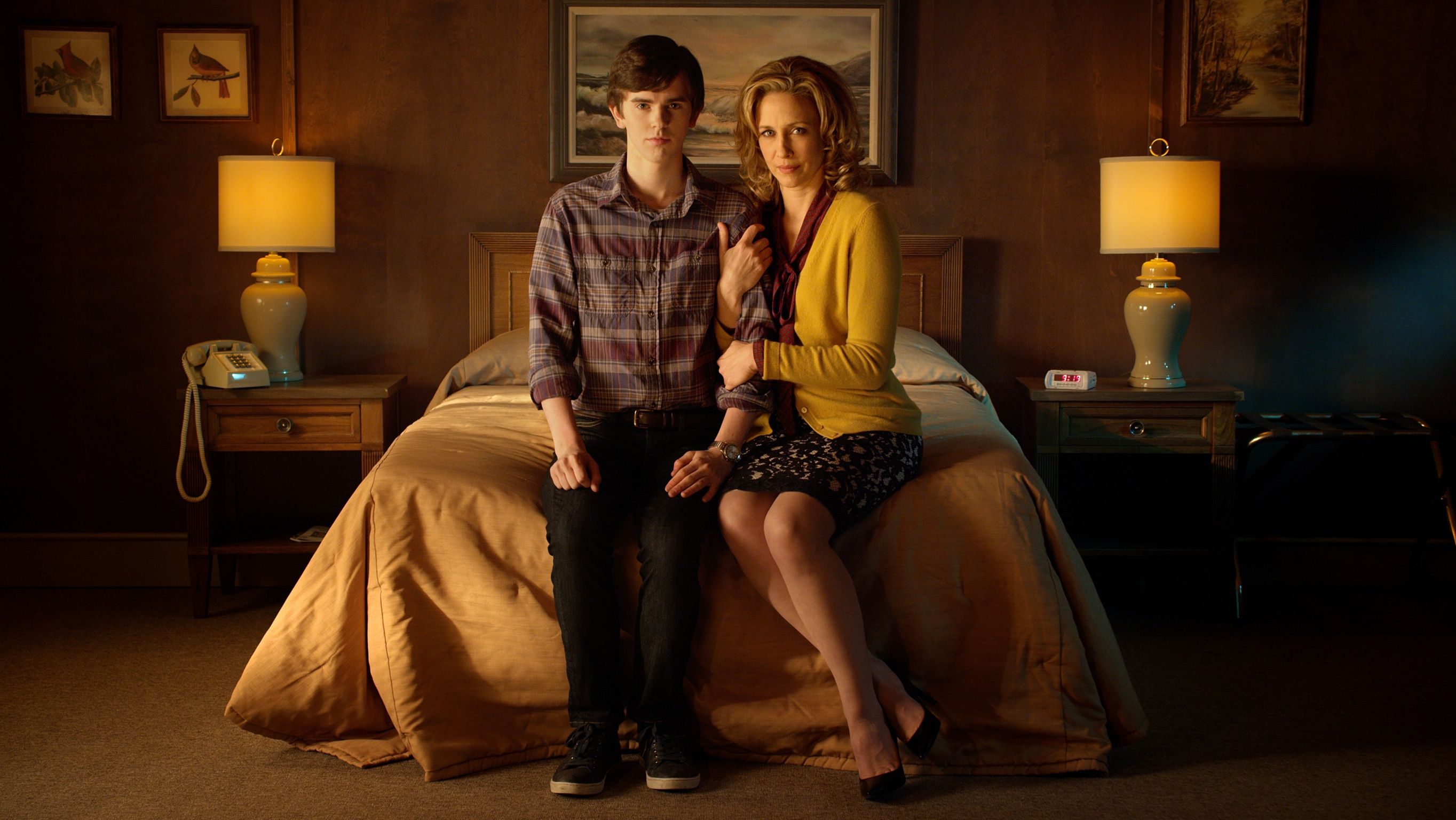
Watch Bates Motel (2013), the chilling psychological horror TV series that explores the dark origins of Norman Bates and his disturbing relationship with his mother, Norma. Starring Freddie Highmore and Vera Farmiga, this suspense-filled thriller delivers shocking twists, emotional drama, murder mysteries, and terrifying psychological suspense inspired by Alfred Hitchcock’s Psycho.

Download: 480p 720p 1080p 4k
Login to Add to Favorites

Genres

Horror

No comments yet

Be the first to share your thoughts about this TV show!

0.0
Overall Rating
Based on 0 reviews
10
0
9
0
8
0
7
0
6
0
5
0
4
0
3
0
2
0
1
0

No reviews yet

Be the first to share your thoughts about this TV show!

Bates Motel (2013) is a dark psychological thriller television series that masterfully reimagines the terrifying origin story behind one of horror cinema’s most iconic characters, Norman Bates. Developed by Carlton Cuse, Kerry Ehrin, and Anthony Cipriano, the series serves as a contemporary prequel to Alfred Hitchcock’s legendary film Psycho while building its own deeply emotional and psychologically intense narrative. Set in the eerie coastal town of White Pine Bay, the show follows the complicated and increasingly disturbing relationship between Norman Bates and his mother, Norma Bates, after they relocate to a rundown motel following the mysterious death of Norma’s husband. What initially appears to be a desperate attempt to start a peaceful new life slowly transforms into a haunting descent into madness, violence, emotional trauma, and deadly secrets hidden beneath the surface of a seemingly quiet town. Bates Motel quickly became one of the most talked-about psychological horror drama series of the 2010s because of its chilling atmosphere, unforgettable performances, emotional storytelling, and disturbing exploration of mental illness, obsession, grief, family dysfunction, and identity.

The story begins when Norma Bates purchases an old roadside motel in White Pine Bay with the hope of giving herself and her teenage son Norman a fresh beginning. The Bates family dynamic immediately becomes the central focus of the series, creating a deeply unsettling emotional core that grows more intense with every episode. Norma is fiercely protective, emotionally unstable, and desperately determined to maintain control over her son’s life, while Norman is intelligent, shy, sensitive, and emotionally fragile. Their bond goes far beyond normal parental affection, developing into something psychologically unhealthy and emotionally suffocating. The show brilliantly explores how years of trauma, abuse, loneliness, and emotional dependency shape Norman’s fractured mind and eventually push him toward the horrifying transformation fans recognize from Psycho.

Unlike traditional horror series that rely heavily on jump scares and supernatural creatures, Bates Motel builds terror through emotional tension, psychological instability, and unpredictable human behavior. The series carefully examines the slow deterioration of Norman’s mental state as he experiences blackouts, hallucinations, violent episodes, memory loss, and dangerous dissociative behavior. One of the most fascinating aspects of the show is how it gradually reveals Norman’s inability to separate fantasy from reality. His deep emotional dependence on Norma evolves into an alternate personality that becomes increasingly dominant throughout the series. This psychological conflict creates constant suspense because viewers are never fully certain whether Norman is aware of his actions or trapped inside a dangerous mental breakdown.

Freddie Highmore delivers a career-defining performance as Norman Bates, bringing incredible emotional depth, vulnerability, intelligence, fear, and menace to the character. His portrayal transforms Norman from a simple horror villain into a tragic and deeply complex young man struggling against forces inside his own mind. Viewers witness Norman’s innocence slowly decay as his psychological condition worsens, making his transformation both heartbreaking and terrifying. Vera Farmiga is equally extraordinary as Norma Bates, creating one of television’s most unforgettable maternal characters. Norma is loving yet manipulative, caring yet emotionally destructive, protective yet controlling. Her emotional instability and refusal to confront reality directly contribute significantly to Norman’s mental collapse. The chemistry between Highmore and Farmiga is the foundation of the entire series and remains one of the strongest parent-child performances in modern television drama.

The setting of White Pine Bay adds another layer of mystery and danger to Bates Motel. Far from being an ordinary small town, White Pine Bay is filled with corruption, criminal activity, hidden violence, and disturbing secrets. Drug trafficking, human trafficking, murder conspiracies, and political corruption become recurring elements that expand the story beyond the Bates family. This combination of psychological horror and crime thriller storytelling gives the series a broader sense of danger and unpredictability. Every season uncovers new mysteries that deepen the atmosphere of paranoia and suspense surrounding the Bates Motel property. The motel itself becomes an iconic symbol of isolation, fear, and emotional imprisonment. Its dimly lit rooms, lonely highway location, and unsettling silence create the perfect environment for the psychological horrors unfolding inside the Bates household.

Throughout the first season, viewers witness Norman attempting to adapt to life in White Pine Bay while struggling with his growing mental instability. He attends high school, forms friendships, experiences romantic attraction, and attempts to maintain some sense of normalcy. However, his blackouts and violent tendencies begin surfacing in terrifying ways. The series cleverly balances teenage drama elements with dark psychological storytelling, making Norman’s life appear ordinary on the surface while chaos brews underneath. Norma simultaneously tries to protect Norman from outside threats while concealing the family’s secrets and her own troubled past. Her desperation to preserve their fragile world often leads to reckless decisions, further entangling them in violence and danger.

One of the show’s greatest strengths is its emotional realism. Despite the horrifying events, Bates Motel remains grounded in believable psychological trauma and human vulnerability. Norman is not portrayed as a stereotypical monster but as a damaged young man shaped by years of emotional abuse, isolation, fear, and untreated mental illness. The audience frequently sympathizes with him even when his actions become disturbing or violent. This emotional complexity makes the series far more compelling than a standard horror drama. The show continuously challenges viewers to question morality, responsibility, and the boundaries between love and destruction.

As the series progresses into later seasons, Norman’s condition worsens dramatically. His dissociative identity disorder becomes more severe, causing him to lose touch with reality and develop an alternate personality based on his mother. These episodes are among the most psychologically disturbing moments in the series because Norman genuinely believes he is protecting his relationship with Norma while committing horrific acts. The show explores how trauma and denial can distort perception until reality itself becomes impossible to recognize. Norman’s mind transforms into a battleground where his identity gradually disappears beneath the overwhelming influence of his mother’s presence.

The emotional tragedy of Bates Motel lies in the fact that both Norman and Norma genuinely love each other. Their relationship is built on emotional dependence, shared trauma, and mutual fear of abandonment. Norma wants to protect Norman from the world, while Norman wants to preserve their relationship forever. However, their inability to establish healthy emotional boundaries slowly destroys them both. The series examines themes of toxic love, codependency, emotional manipulation, abandonment anxiety, and inherited trauma in deeply compelling ways. Rather than focusing solely on horror, the story becomes a heartbreaking examination of how damaged relationships can shape human identity and destiny.

Bates Motel also succeeds because of its strong supporting cast and complex side characters. Dylan Massett, Norma’s older son and Norman’s half-brother, serves as one of the show’s moral anchors. Unlike Norman, Dylan recognizes the dysfunction within the family and constantly attempts to create a healthier life for himself. His complicated relationship with Norma and Norman adds emotional balance to the series. Emma Decody, a bright and compassionate young woman with cystic fibrosis, provides moments of warmth and humanity amid the darkness. Her friendship with Norman reveals glimpses of the normal life he could have experienced under different circumstances. Sheriff Alex Romero, initially introduced as a tough and morally ambiguous law enforcement officer, gradually develops into one of the show’s most emotionally layered characters. His evolving relationship with Norma introduces themes of redemption, protection, loneliness, and sacrifice.

The cinematography and visual style of Bates Motel contribute significantly to its haunting atmosphere. The show frequently uses dim lighting, isolated environments, rainy landscapes, and claustrophobic interiors to create constant emotional tension. The Bates house overlooking the motel becomes an instantly recognizable symbol of psychological decay and hidden terror. The visual contrast between the seemingly peaceful town and the horrific events occurring beneath the surface enhances the series’ unsettling tone. Every scene feels emotionally charged, whether it involves quiet conversations, psychological breakdowns, or shocking acts of violence.

Music and sound design also play an important role in building suspense throughout the series. The soundtrack combines emotional orchestral themes with eerie ambient sounds that heighten tension and reinforce Norman’s psychological instability. Silence is often used strategically to create discomfort and anticipation. These artistic choices allow Bates Motel to maintain a consistent atmosphere of dread even during slower, dialogue-driven scenes.

Another reason Bates Motel became critically acclaimed is its intelligent modernization of the Psycho mythology. Rather than simply recreating Hitchcock’s story, the series expands the universe and develops its characters with far greater emotional complexity. Fans of Psycho appreciate the numerous references, parallels, and foreshadowing scattered throughout the show, while newcomers can enjoy the story without prior knowledge of the original film. The series successfully bridges classic psychological horror with modern serialized television storytelling, creating something nostalgic yet entirely unique.

Norman’s journey throughout Bates Motel is both horrifying and tragic because viewers witness his gradual transformation step by step. Early in the series, he appears awkward but kind-hearted, struggling to fit into a confusing world. However, as trauma, paranoia, an